
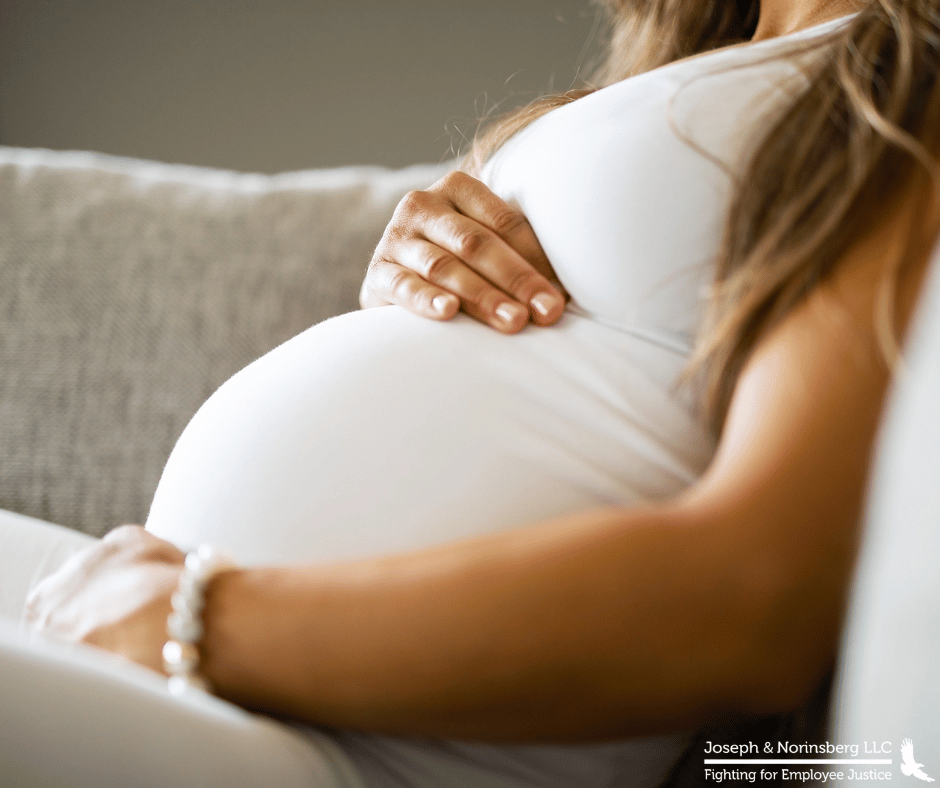
Have you been passed over for a promotion? Were you berated by your boss and excluded from meetings? Have you been denied reasonable workplace accommodations? If you’ve experienced mistreatment at work since announcing your pregnancy, you probably feel that what should be a joyous and life-changing event has turned into a living nightmare.
Workplace pregnancy discrimination is illegal under both state and federal laws. If your employer has discriminated against you due to your pregnancy, you have rights and options for seeking justice.
Your Rights as a Pregnant Employee
The Pregnancy Discrimination Act of 1978 extended federal workplace protections for discrimination and harassment to apply to workers’ pregnancy status. Under the law, your employer cannot fire you, refuse to hire you, or make any other employment decisions based on your pregnancy or related health conditions.
Meanwhile, the federal Pregnant Workers Fairness Act requires employers to provide reasonable accommodations to pregnant workers when asked. You’re also entitled to a workplace free of harassment, and your employer can be held liable for failing to prevent or address a hostile work environment.
What to Do Next
Document Everything
Review Policies and Past Treatment
Report the Issue
Be Careful With Agreements
Can You Be Fired for Being Pregnant?
Firing an employee for being pregnant would be a straightforward case of illegal employment discrimination. However, offenders are rarely blatant. Your employer may attempt to target you for layoffs or find a different reason to terminate your position, giving them plausible deniability. An experienced workplace discrimination lawyer can help you prove intent and protect your rights.
When to Speak With a Lawyer
The right attorney can be a helpful ally at any stage of the process. If you experience any of the following, it might be time to talk to a lawyer:
- You’ve been terminated or targeted for a layoff.
- Your supervisor has retaliated against you after you made a formal complaint, such as cutting your hours or giving you unfavorable assignments.
- Your employer has refused to grant you reasonable accommodations to help you work during your pregnancy.
- You believe your employer is engaging in ongoing discrimination, such as refusing to hire pregnant workers or asking candidates if they plan on having kids.
The experienced NYC pregnancy discrimination lawyers at Joseph & Norinsberg can investigate and gather evidence to build a strong case, prove pregnancy discrimination, and hold your employer accountable.
Facing Pregnancy Discrimination at Work? Take the Next Step
You don’t have to face injustice alone. At Joseph & Norinsberg, we’re committed to fighting relentlessly for the underdog. Our trusted New York discrimination lawyers have more than 75 years of combined experience protecting the rights of workers like you. We’re ready to use our extensive knowledge of employment law to fight for the justice you deserve.
Contact us online or call 212-227-5700 today for a free consultation.
